Gas Cooker Installation Checklist: 7 Vital Things to Check Before Fitting a New Cooker
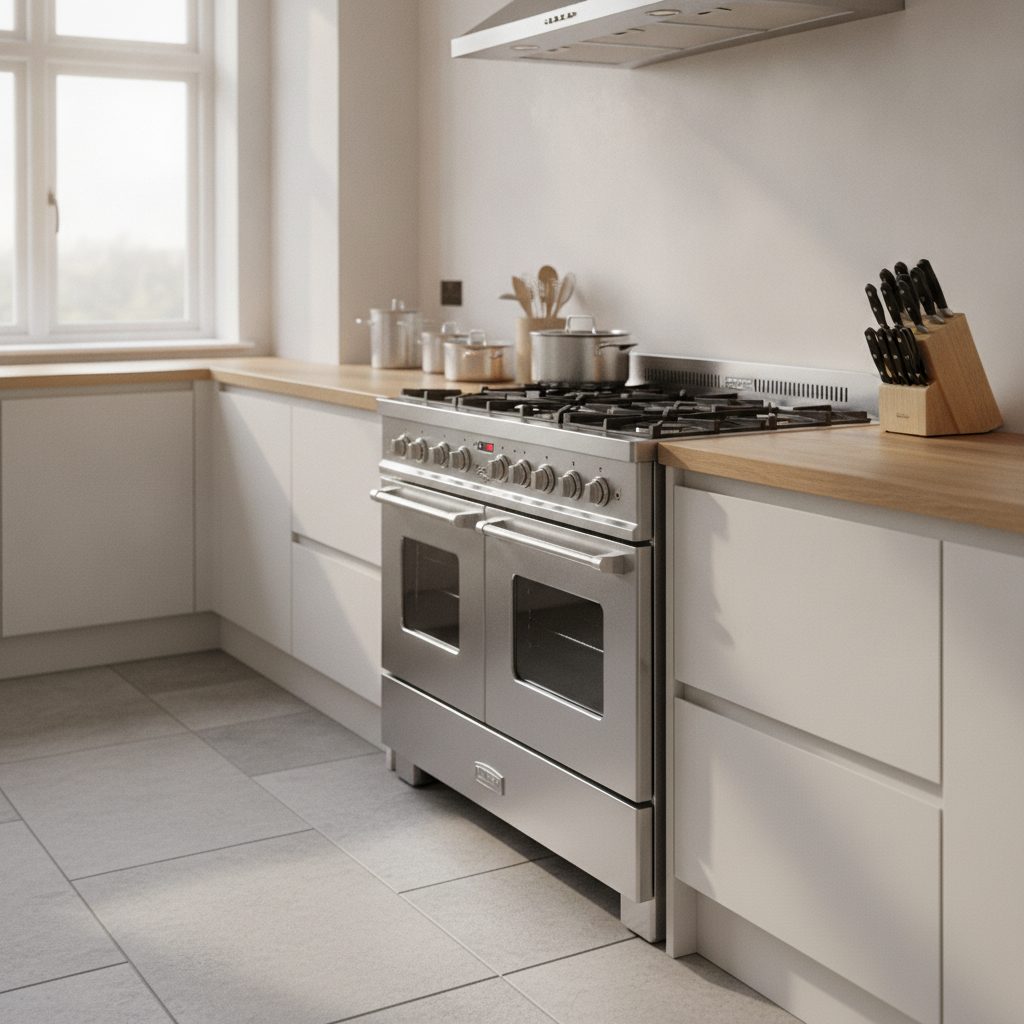
Upgrading your kitchen with a brand-new cooker is an exciting milestone for any home chef. However, before you start planning your first roast dinner or batch of cookies, it is critical to address the technical and legal requirements of fitting the appliance. Gas appliances demand strict safety protocols to keep your household safe from dangerous gas leaks, fire risks, and carbon monoxide poisoning.
Whether you are replacing an outdated model or remodelling your kitchen entirely, here is your definitive 7-step pre-installation checklist to ensure your cooker fitting goes seamlessly.
1. Always Book a Gas Safe Registered Engineer
In the United Kingdom, it is not merely recommended to hire a Gas Safe engineer—it is a strict legal requirement under the Gas Safety (Installation and Use) Regulations 1998. DIY gas fitting is illegal and hazardous. A qualified engineer possesses the training to test pressure drops, detect microscopic leaks, and verify proper combustion.
Before letting any contractor start work, always inspect their Gas Safe ID card. Check the back of the card to ensure they are qualified for domestic gas cookers and hobs. For homeowners across Greater Manchester, booking a certified gas cooker installation service guarantees that your appliance complies with current British Standards (BS 6172).
2. Measure the "Hot Zone" Clearance Accurately
One of the most frequent reasons a gas engineer will refuse to connect a cooker is improper clearance around the hob—often called the "hot zone" or splashback zone. Current regulations specify:
- Vertical Clearance: There must typically be at least 750mm of clear space directly above a gas hob to any combustible wall unit, shelf, or standard extractor hood (or 650mm if the cooker manufacturer explicitly permits).
- Horizontal Clearance: There should be at least 50mm of clearance to adjacent non-combustible walls and sufficient buffer distance from curtains, wooden cabinets, or electrical sockets.
- Side Units: Adjacent worktops should not protrude higher than the hotplate burners.
3. Verify the Gas Supply and Isolation Valve
Your new cooker requires a dedicated, easily accessible isolation valve. This valve allows the gas supply to the cooker to be shut off quickly in an emergency or during routine maintenance. If your current pipework is aged, corroded, or lacks a drop-down safety chain or stability bracket, the engineer will need to replace the bayonet fitting and hose.
4. Check Kitchen Ventilation Requirements
Gas burners consume oxygen and produce combustion by-products. Consequently, your room must meet specific ventilation thresholds:
- Rooms smaller than 5m³ require an openable window and a permanent air vent of at least 100cm².
- Rooms between 5m³ and 10m³ require an openable window and a permanent air vent of at least 50cm² (unless there is a door leading directly to the outside).
- Rooms larger than 10m³ generally require only an openable window or external door.
5. Plan for Dual-Fuel Electrical Needs
If you have purchased a dual-fuel cooker (gas burners with an electric oven), do not assume it will plug into a standard 13-amp domestic wall socket. Many high-capacity electric ovens exceed 3kW and require a dedicated 32-amp cooker circuit wired directly back to the consumer unit with heavy-gauge cabling.
6. Arrange Safe Disconnection and Disposal
Do not attempt to disconnect your old gas cooker yourself. The disconnecting process can cause gas leaks if old bayonet sockets do not seal shut instantly. A qualified engineer should safely cap or disconnect the supply line, test for gas tightness, and help you position the appliance for council or retailer recycling collection.
7. Secure Your Gas Safety Documentation
Once installation, pressure testing, and flame commissioning are complete, the installer must issue you with documentation confirming the appliance was fitted according to BS 6172 standards. Keep this paperwork safe; you will need it for home insurance validity, manufacturer warranty claims, and future property sales.
Ready to Upgrade Your Kitchen?
Avoid expensive rework or safety hazards by preparing your kitchen layout in advance. If you are located in Manchester or surrounding boroughs, trust qualified local professionals to handle your gas appliance connections with precision and care.


Comments
Post a Comment